

Dot Balls vs Boundaries: The Hidden Battle That Predicts the Next Phase of the Innings
Dot balls vs boundaries – the hidden battle in cricket innings that predicts the next phase. Learn how dot-ball pressure, boundary release, patterns, and sequences shape momentum, risk, and outcomes beyond run rate





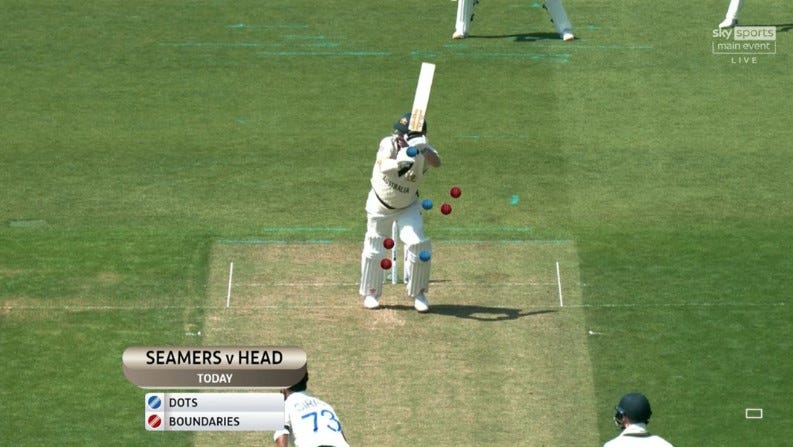
The scoreboard can look healthy while an innings quietly drifts into trouble. A team might be scoring at a decent rate, yet still feel one wicket away from a collapse. That tension usually comes from the same place. Too many dot balls and not enough controlled scoring options.
On match nights, this pattern is easier to spot than most “momentum” talk. Dot balls create pressure. Boundaries release it. The balance between the two often signals what the next phase will look like, especially for anyone tracking in-play swings beyond the headline run rate.
Why Dot Balls Build Pressure Faster Than People Notice
Dot balls do more than stall scoring. They change decision-making.
A single dot can be harmless. A cluster of dots reshapes shot selection, because batters start hunting for a release. That is when low-risk options shrink and higher-risk options look “necessary.” Bowlers do not need a wicket to win that exchange. They just need to keep the batter stuck.
This is why a “quiet over” can be more damaging than an expensive one. A bowler who concedes a boundary but follows it with dots may still be controlling the contest. A bowler who leaks singles every ball might be giving away runs, but also removing pressure.
The key is sequence. Pressure comes from consecutive balls that offer no easy scoring. Once that pressure is established, the next phase often becomes predictable.
A Quick Read From Live Match Data
In searches for indian cricket live, the most useful pages are usually the ones that show ball-by-ball with clear timestamps and minimal clutter. Dot-ball patterns are visible there long before a highlight clip explains them.
A quick read does not require complex stats. It requires the right signals, checked in the right way. The most reliable approach is looking for repeatable patterns across two overs, not a single burst of drama.
Here is a compact set of match signals that tends to hold up in real time.
- Dot-ball clusters by batter and by bowler, since repeated dots usually force a risk swing
- Boundary type and timing, because “release” boundaries after pressure matter more than random early hits
- Singles frequency, since steady rotation often indicates comfort and reduces wicket risk
- Extras, because wides and no-balls distort...(truncated 1568 characters)...xt Phase From the Pattern
Dot balls and boundaries are not just events. They are inputs that shape the next ten minutes of cricket.
A pressure-heavy pattern usually leads to one of two outcomes. Either the batter breaks the pressure with calculated rotation, or the batter tries to “win” the over with a boundary attempt and increases wicket risk. That fork is where the next phase gets defined.
A rotation-heavy pattern tends to produce stability. Singles keep the rate moving. Dot pressure stays low. Bowlers are forced to hunt for wickets with fewer protective dots, which can open scoring options.
A boundary-heavy pattern can go either way. If boundaries are being created through repeatable matchups, the next phase can accelerate. If boundaries are coming as escape shots, the innings often hits a wall when the next dot cluster arrives.
Phase context matters too. Powerplays change fielding restrictions and make boundaries easier. Middle overs bring more spin and more fielders out, so rotation becomes more valuable. Death overs increase risk appetite, and dot balls become even more expensive psychologically.
The practical point is simple. The next phase is often visible in the pattern, not in the last highlight.
Read the Pattern
In-play decisions often fail for one reason. They react to the loudest moment.
A wicket feels definitive. Two boundaries feel like momentum. A quiet over feels like doom. Those reactions are understandable, but they are not always accurate. The more dependable approach is waiting for pattern confirmation.
Two-over confirmation is a strong discipline rule. If dot pressure is building across multiple overs, it is more than a blip. If rotation is steady across multiple overs, it is more than a lucky stretch. If boundaries are arriving without breaking singles, control is real.
This approach also limits impulsive overreach. Dot-ball pressure can tempt “chasing” behavior, where every ball feels like an opportunity that must be acted on. That mindset often creates the worst timing, right when markets are most volatile and emotion is highest.
The hidden battle in an innings is rarely between two batters or one bowler. It is between pressure and release. Dot balls create the squeeze. Boundaries provide oxygen. Watching how teams manage that balance is one of the cleanest ways to anticipate what comes next.

Related:
Casino & Sports Links on Feedinco
- ⚽️ Betway Prediction
- ⚽️ 1xBet Prediction
- Best Casino Bonus
- Online Casino Bonus
- Mobile Casino Bonus
- New Online UK Casinos
- Football Free Bets
All Sports Predictions
- ⭐ Super Tips
- 🔥 HOT Football Tips
- ⚽️ Sports FREE Bets
- ⚽️ Best Betting Sites
- ⚽️ Sure Tips for Today
- ⚽️ Football Tips
- ⚽️ Daily ACCA tips
- ⚽️ Tip of the Day
- ⚽️ Soccer Prediction
- ⚽️ Winning Predictions
- 🔥 Best Prediction Site
- 🔎 Accurate Soccer Predictions
- 💸 Jackpot Predictions
- ⚽️ TODAY BETTING TIPS ⚽️
- BTTS Today
- Over 2.5 Prediction
- Full time Prediction
- Double Chance Prediction
- ⚽️ TOMORROW BETTING TIPS ⚽️
- Both Teams to Score Tomorrow
- Over 2.5 Goals Tips
- HTFT prediction
- 12 Betting Tips
- 🎾 TENNIS TIPS 🎾
- 🎾 Tennis Betting
- 🎾 Tennis Tips 1x2
- 🎮 ESPORTS TIPS 🎮
- 🎮 eSport Betting
- 🎮 eSports Predictions
- 🎮 eSports Betting Tips
- 🎮 Counter Strike Predictions
- 🎮 Dota 2 Tips
- 🎮 Overwatch Tips
- 🎮 LoL Tips
- ⭐ Casinos ⭐
- New Online UK Casinos
- Casino Free Bets NO deposit
- New NO Deposit Slots + FREE spins
- NEW Casino NO Deposit Bonus Codes
- Best Slot Sites UK
- Free spins NO deposit Mobile casino
- FREE Roulette Spins NO deposit
- Best Online Casino NZ [free pokies]
- Best Online Casino Canada
- FREE Casino Slots South Africa [no deposit bonus]
- Online Casino Games India [Online Casino, Online Roulette]
- Best Casino Bonus
- Online Casino Bonus
- Mobile Casino Bonus
Latest Betting Tips


