

Peter Schmeichel - An immortal goalkeeping legend
Peter Schmeichel was not only famous for his spectacular saves; he also changed how many people envisioned the role of goalkeeper. From Manchester United to Denmark's Euro 1992 triumph, he remains an icon of strength and command.





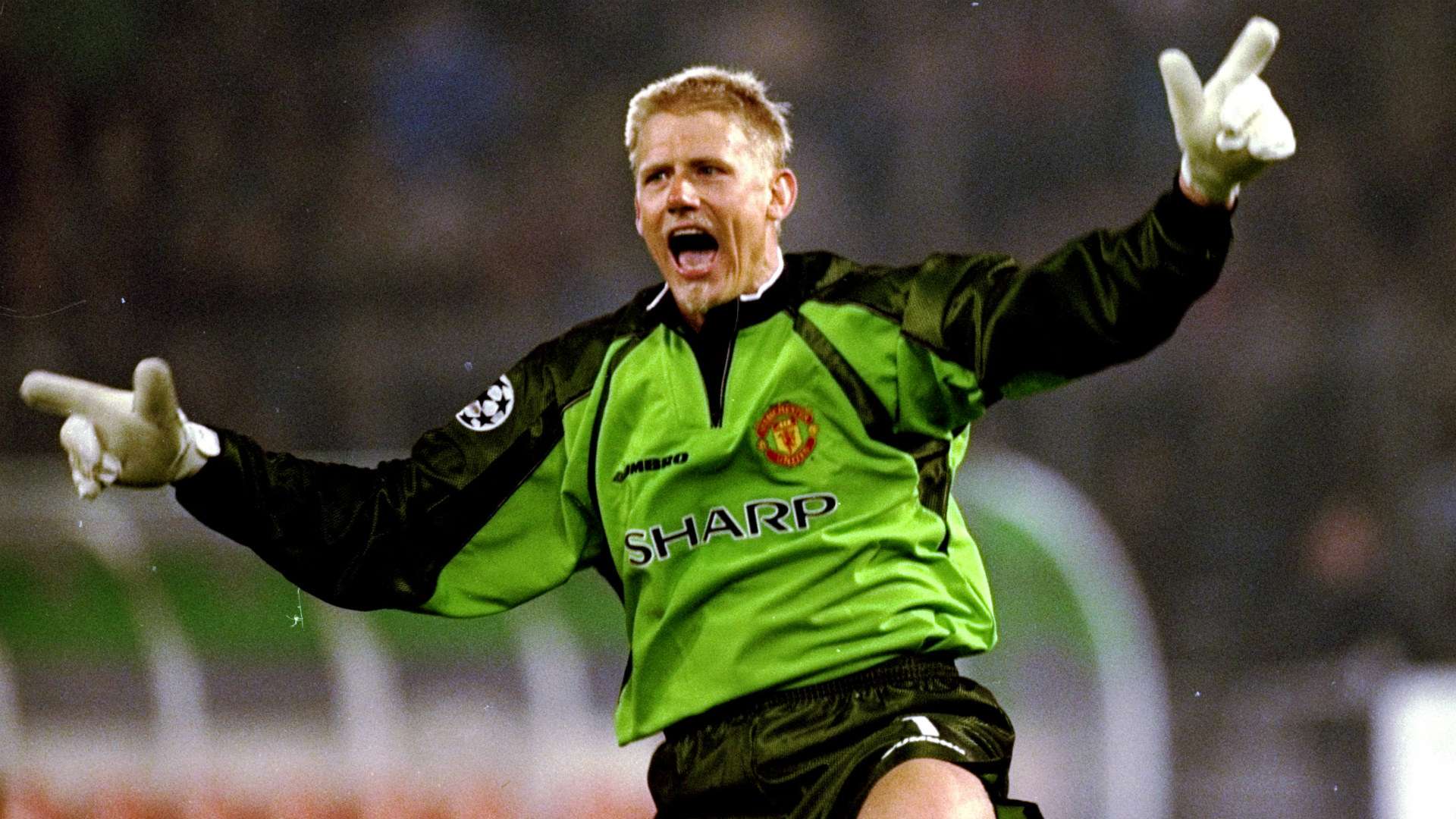
He was not only famous for his spectacular saves; he also changed how many people envisioned the role of goalkeeper. From his years at Manchester United to his peak with the Danish national team, Schmeichel was an icon of strength, personality, and command of the penalty area. Let's explore 789BET Let's take a look back at this player's career journey.
From Denmark to the big football stage
Before becoming one of the most outstanding goalkeepers.In the world of football, Schmeichel built his career with steady steps. Born in Gladsaxe, Denmark, he began his professional career in his homeland. Those early years helped him gain experience in a less glamorous football environment, while also developing the aggressive playing style that fans worldwide would later recognize.
Foundations in the homeland
Schmeichel grew up playing in Denmark, where he quickly demonstrated superior physique and remarkable reflexes. But size wasn't the only advantage. A tall goalkeeper still needed agility, positioning, and the courage to rush out in front of opposing strikers. Schmeichel gradually combined these qualities into a style that was both powerful and proactive.
His early seasons at domestic clubs helped him understand the rhythm of professional football. There, he not only learned how to save shots but also took responsibility for organizing the defense, handling aerial balls, and maintaining focus during periods when his team was less threatened. This kind of quiet experience, rarely mentioned in compilation videos, contributed to making him a solid goalkeeper.
Joining Brøndby brought Schmeichel into a more competitive environment and gave him the opportunity to prove himself at an international level. His performances there attracted attention from big clubs, paving the way for a crucial turning point in his career. In retrospect, Brøndby was more of a stepping stone than a destination: a place where his talent was honed, but also a place where he showed he was ready to step onto the bigger stage.
See more: kèo nhà cái
The turning point was Manchester United.
In 1991, Schmeichel moved to Manchester United. This decision changed both his career and the future of the club. At the time, United were building a team with ambitions to compete for titles, but there was still a long way to go. Schmeichel immediately made an impact with his confident demeanor, outstanding saves, and ability to inspire the defense.
He wasn't like a goalkeeper who just stood waiting for the ball to come to him. In the penalty area, Schmeichel would often proactively narrow the shooting angle, rush out to occupy space, and force strikers to make quicker decisions than expected. Sometimes, his mere presence was enough to make opponents hesitate. This is a kind of influence that's difficult to quantify: the goalkeeper doesn't need to touch the ball to affect the quality of the opponent's shot.
His leadership skills also helped him adapt quickly to a high-intensity league. Schmeichel frequently spoke up, gestured, and arranged positions for the defenders. This assertiveness might seem fierce, but behind it was a clear purpose: to keep the team cohesive, minimize gaps, and prevent small mistakes from turning into big opportunities. At Old Trafford, he not only protected the goal but also contributed to building the team's character.
The playing style makes a mark.
Cầu thủ Peter Schmeichel - Huyền thoại khung thành bất tử
Mentioning Schmeichel brings to mind the image of an energetic goalkeeper, ready to confront strikers head-on and often turning seemingly dangerous situations into moments of brilliance. However, that style wasn't based solely on strength or emotion. It was a combination of technique, spatial awareness, and split-second decision-making ability.
Reflexes, physique, and star posture
One of Schmeichel's most famous characteristics was the way he extended his body when facing a striker. This posture made the goal seem smaller in the opponent's eyes. Instead of diving too early, he could maintain his balance, spreading his arms and legs to cover multiple shooting angles. The key was timing: if he chose the right moment, the goalkeeper would become a wall; if he chose the wrong moment, the striker could easily get the ball past him.
Schmeichel's reflexes were particularly useful at close range. Shots inside the penalty area often happened too quickly for the goalkeeper to analyze rationally. That's when experience, the ability to read the opponent's movements, and natural reflexes all came into play. Schmeichel didn't just wait for the ball to leave his foot before reacting; he observed the runner's gait, shoulder position, and distance to anticipate what might happen.
However, the image of a goalkeeper always rushing out to make saves sometimes obscured his positioning ability. There were moments where spectacular moves weren't necessary because Schmeichel was already in the right place. In football, good preparation often makes a dangerous situation seem simpler than it actually is. That's the less flashy but crucial part: he understood the shooting angle, the defenders' positions, and the ball's trajectory to minimize the space opponents could exploit.
The commander behind the lines
Schmeichel stands out for his resounding voice and his unhesitating attitude in urging his teammates to move. For a goalkeeper, communication is not a secondary part of the job. The person in goal usually has the most comprehensive view, able to spot a striker sneaking behind a defender or a gap appearing at the far post. A timely warning is sometimes as valuable as a save.
His commanding style also reflects his strong personality. Schmeichel doesn't seem detached from the game; he's involved in every situation, urging the defense on and reacting clearly to mistakes. That can be stressful, but in ambitious teams, pressure is sometimes what helps players stay focused. Teammates know the goalkeeper is always watching and ready to remind them.
Another noteworthy aspect was his ability to initiate attacks. Schmeichel could send the ball far with powerful throws or kicks, turning defensive situations into counter-attacking opportunities. In modern football, goalkeepers are often expected to participate in building play from the back; in Schmeichel's time, he demonstrated that a custodian could create an advantage immediately after regaining possession. He not only finished off the opponent's attack but also initiated his own team's own.
Legacy from Manchester United to the Danish national team
Schmeichel's career is remembered for its trophies, big football nights, and spectacular saves that sent crowds into a frenzy. But his legacy lies not just in his achievements. He showed that a goalkeeper can become a central figure in a team's identity: the custodian of the goal, the organizer of the defense, and the instiller of confidence in tense moments.
Peak performance with Manchester United and Denmark
At Manchester United, Schmeichel was part of a hugely successful period under Sir Alex Ferguson. He won many major titles with the team, including the 1999 Champions League title. That final is often remembered for the incredible comeback, but the journey to conquering the title was inseparable from the stability of the defense and the contributions of the goalkeeper.
Schmeichel was also a key factor in Denmark's historic success at Euro 1992. The team entered the tournament under unusual circumstances, then unexpectedly overcame many opponents to win the title. That championship became one of the most memorable fairy tales in European football history. For Schmeichel, this was not only a major international title but also proof of his outstanding performance for the national team.
These two journeys demonstrate his ability to adapt to different contexts. At club level, Schmeichel was part of a team that was constantly under pressure to win. In the Danish national team, he represented a squad not considered a top contender but still capable of achieving miracles. Regardless of changing circumstances, he maintained his competitive spirit and ability to shine when the game demanded it.
Long-term impact on the goalkeeper's image.
Schmeichel helped broaden how fans perceived the goalkeeper position. Previously, this role was sometimes simply described as standing in the goal and blocking shots. But a top goalkeeper must also control space, coordinate with defenders, and inspire confidence in the entire team. Schmeichel clearly demonstrated these aspects, making the number one position more proactive and influential.
His style also set a standard for personality. Goalkeepers don't necessarily have to be silent, reserved, or only appear when there's a shot. They can be the strongest voice in the defense, the one who sets the emotional rhythm for their teammates, and the anchor in moments of chaos. Of course, not everyone needs to emulate Schmeichel's approach; what's worth learning is the proactiveness and responsibility he brought to every play.
For football lovers, player Peter SchmeichelHe also represents an era where leadership was demonstrated through direct action. He didn't just wait for his teammates to create victories, but contributed to shaping how the team defended and counter-attacked. That legacy remains relevant for young goalkeepers: hone your reflexes, but also learn to read the game; protect the goal, but don't forget to communicate and help the entire defense function better.
Conclude
Peter Schmeichel is an icon of a complete goalkeeper, combining excellent reflexes, commanding presence, and a strong leadership personality. From Manchester United to the Danish national team, he left a lasting mark and contributed to elevating the role of goalkeeper in football.

Related:
Casino & Sports Links on Feedinco
- ⚽️ Betway Prediction
- ⚽️ 1xBet Prediction
- Best Casino Bonus
- Online Casino Bonus
- Mobile Casino Bonus
- New Online UK Casinos
- Football Free Bets
All Sports Predictions
- ⭐ Super Tips
- 🔥 HOT Football Tips
- ⚽️ Sports FREE Bets
- ⚽️ Best Betting Sites
- ⚽️ Sure Tips for Today
- ⚽️ Football Tips
- ⚽️ Daily ACCA tips
- ⚽️ Tip of the Day
- ⚽️ Soccer Prediction
- ⚽️ Winning Predictions
- 🔥 Best Prediction Site
- 🔎 Accurate Soccer Predictions
- 💸 Jackpot Predictions
- ⚽️ TODAY BETTING TIPS ⚽️
- BTTS Today
- Over 2.5 Prediction
- Full time Prediction
- Double Chance Prediction
- ⚽️ TOMORROW BETTING TIPS ⚽️
- Both Teams to Score Tomorrow
- Over 2.5 Goals Tips
- HTFT prediction
- 12 Betting Tips
- 🎾 TENNIS TIPS 🎾
- 🎾 Tennis Betting
- 🎾 Tennis Tips 1x2
- 🎮 ESPORTS TIPS 🎮
- 🎮 eSport Betting
- 🎮 eSports Predictions
- 🎮 eSports Betting Tips
- 🎮 Counter Strike Predictions
- 🎮 Dota 2 Tips
- 🎮 Overwatch Tips
- 🎮 LoL Tips
- ⭐ Casinos ⭐
- New Online UK Casinos
- Casino Free Bets NO deposit
- New NO Deposit Slots + FREE spins
- NEW Casino NO Deposit Bonus Codes
- Best Slot Sites UK
- Free spins NO deposit Mobile casino
- FREE Roulette Spins NO deposit
- Best Online Casino NZ [free pokies]
- Best Online Casino Canada
- FREE Casino Slots South Africa [no deposit bonus]
- Online Casino Games India [Online Casino, Online Roulette]
- Best Casino Bonus
- Online Casino Bonus
- Mobile Casino Bonus
Latest Betting Tips


